



Security Camera Installation Built for Markham Homes
Camera systems for Markham new builds, established subdivisions, detached homes, and townhouses. We plan around clean PoE cabling, recorder placement, upgrade paths, and smart-home-ready infrastructure so the finished system records reliably and stays easy to expand.
Rated 5.0 from 437 reviews · Read client reviews
- Bonded and insured
- WSIB coverage
- $2,000,000 liability
- 10,000 plus projects completed
- Sonos Gold Dealer
What a complete Markham camera installation includes
A proper Markham installation starts with coverage planning, cabling strategy, recorder setup, and future expansion in mind. SetupTeam handles the full path from camera placement to remote viewing. If you are comparing options, this fits within our broader security camera installation in Toronto work.
New Installation
Full system design for new or established Markham properties with coverage planning, Cat6 or PoE cabling, NVR setup, and remote access configuration.
Upgrade & Expansion
Add cameras, replace an outdated NVR, improve coverage angles, or expand an existing system so it works better with the rest of the home network.
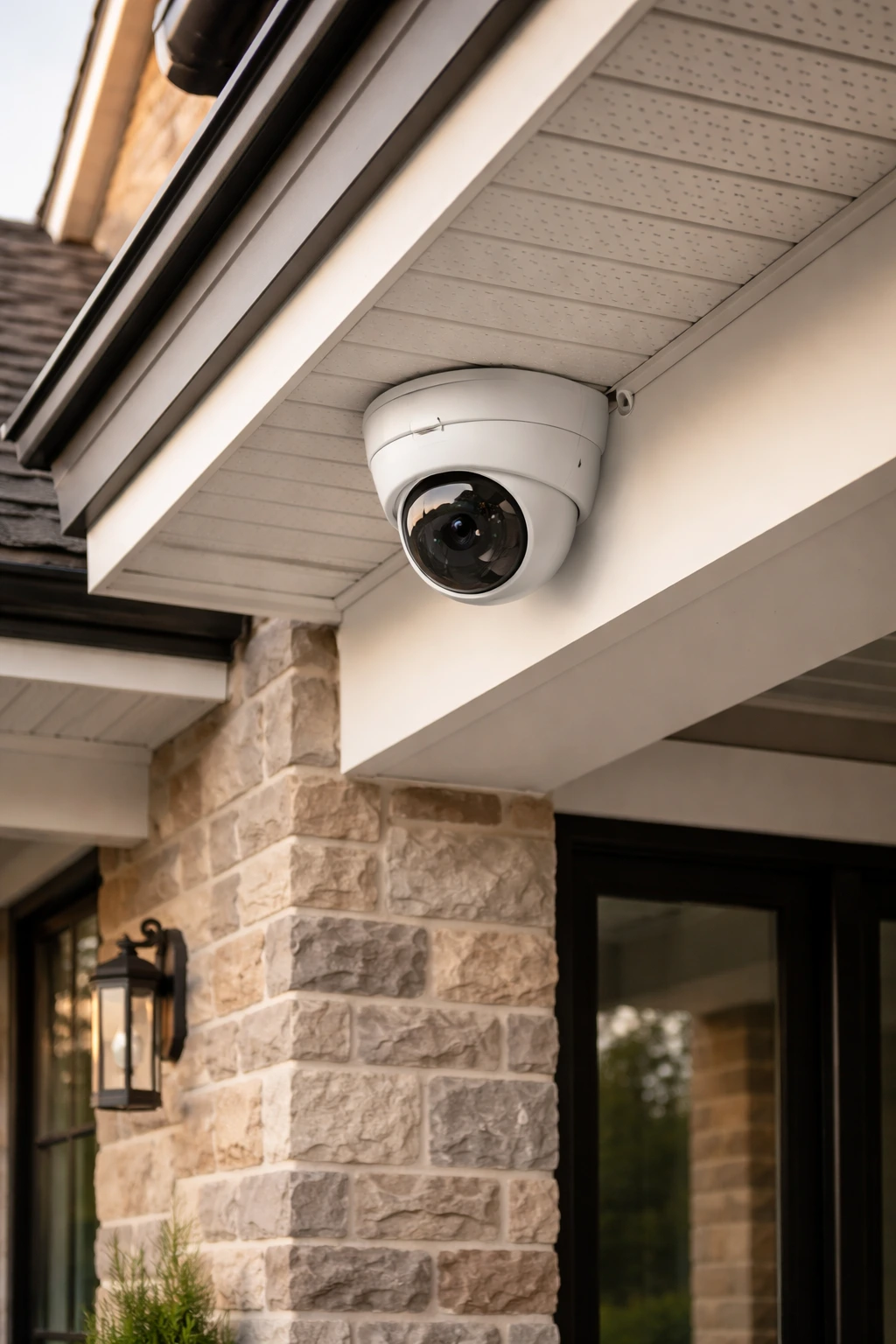
Detached homes, townhouses, and new-build camera planning
Markham homes often give you a cleaner path to a well-planned camera system because newer construction and subdivision layouts make structured cabling, recorder placement, and future upgrades easier to organize. The goal is still the same: useful coverage at doors, driveway, garage, side access, and rear yard without turning the home into a visible wiring project.
Townhouse and detached layouts
Markham installs usually focus on front entry, driveway, garage, side gate, and backyard access, with camera choices shaped by the lot and building geometry rather than by a generic package.
- Clean fit for subdivision homes and townhouses
- Useful coverage where people actually enter and move
- Better expansion path when the home network is planned properly
Upgrade-friendly system design
Many Markham homeowners want a system that works now but can expand later. Recorder capacity, cabling routes, and app access should all be planned with that in mind.
- Extra headroom for future cameras
- Cleaner NVR storage and playback planning
- A better fit for tech-aware homeowners comparing long-term options
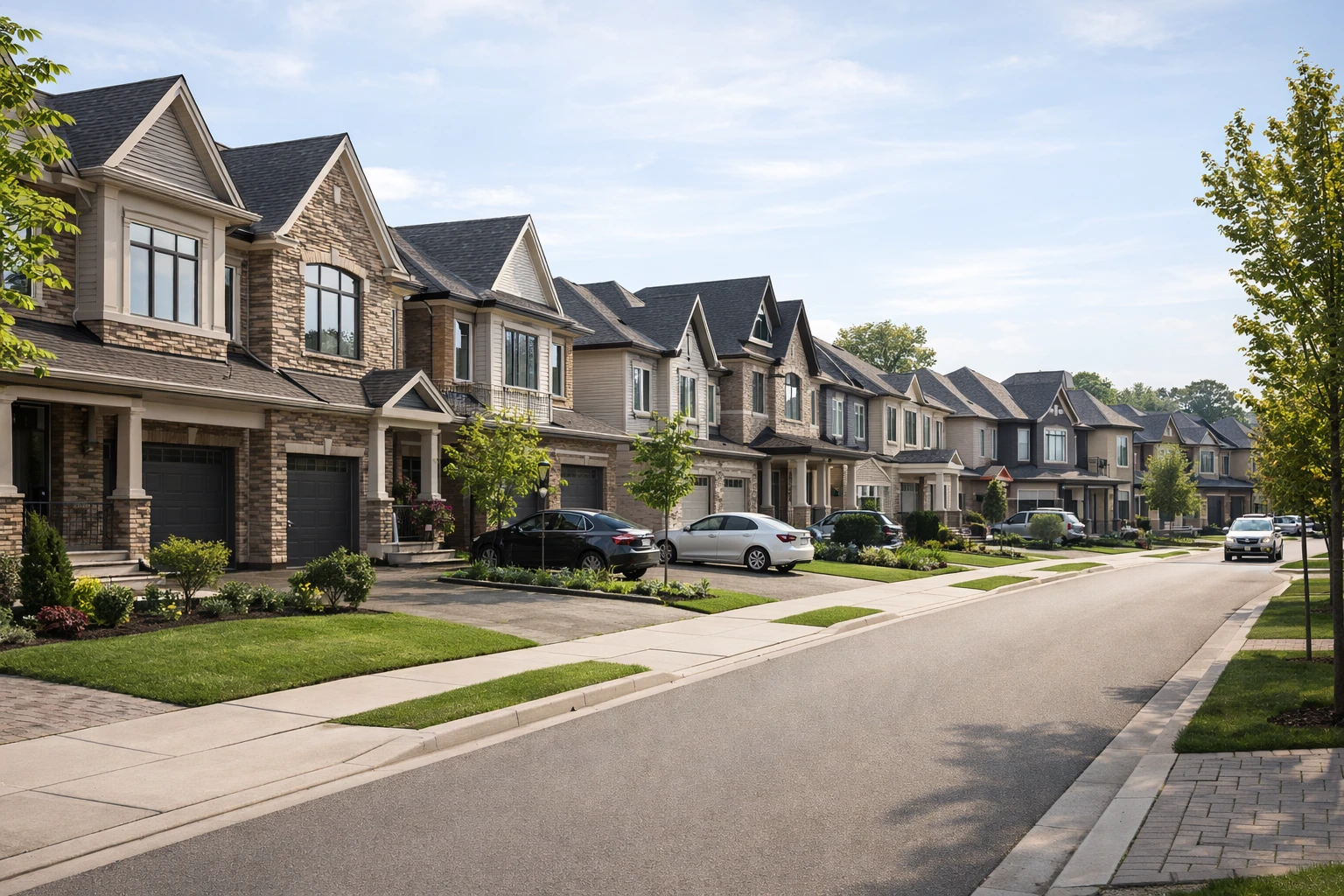
Plan, wire, install, configure
Markham projects usually move best when the system is treated as part of the home’s wider infrastructure. Newer builds, finished basements, and structured wiring opportunities all influence how the install should be sequenced.
1. Plan the coverage
We confirm the key views first: front entry, driveway, garage, side access, rear yard, and any specific blind spots around the property.
2. Plan the wiring
Cat6 and PoE runs are routed for finish quality, serviceability, and stable recording instead of the shortest possible path.
3. Install and align
Cameras are mounted and framed for useful identification detail, not just a wide angle that shows a lot but proves very little.
4. Configure and hand off
NVR settings, remote viewing, playback access, and motion-notification basics are completed before the system is handed over.
Licensed, insured, and built for clean finished-home installs
Markham homeowners usually care about two things at once: dependable recording and a clean finished result. That matters most in newer detached homes, townhouses, and upgraded residential spaces where visible wiring or rushed placement stands out immediately.
The result should feel integrated with the home, not added as an afterthought. You can review recent installation work before approving the scope.
Bonded & insured
Coverage in place for residential and commercial installation work across the GTA.
WSIB coverage
Professional on-site protection and compliance for installation work.
$2,000,000 liability
Backed by formal liability coverage for project peace of mind.
10,000+ projects
Experience across finished homes, structured cabling, smart-home-ready installs, and commercial environments.
Commercial camera coverage for Markham business spaces
Markham’s Highway 7 corridor, office spaces, and mixed-use business environments often need a system that covers entrances, customer-facing areas, service access, and key operational zones without turning the space into a visible cable project. The priorities are clear footage, stable playback, and practical access to video when it matters.
Front-of-house coverage
Entry doors, customer-facing frontage, and shared-access areas are planned for clear review footage and practical day-to-day use.
Back-of-house and operations
Rear access, delivery points, internal movement, and recorder placement are coordinated so the system supports the space operationally as well as visually.
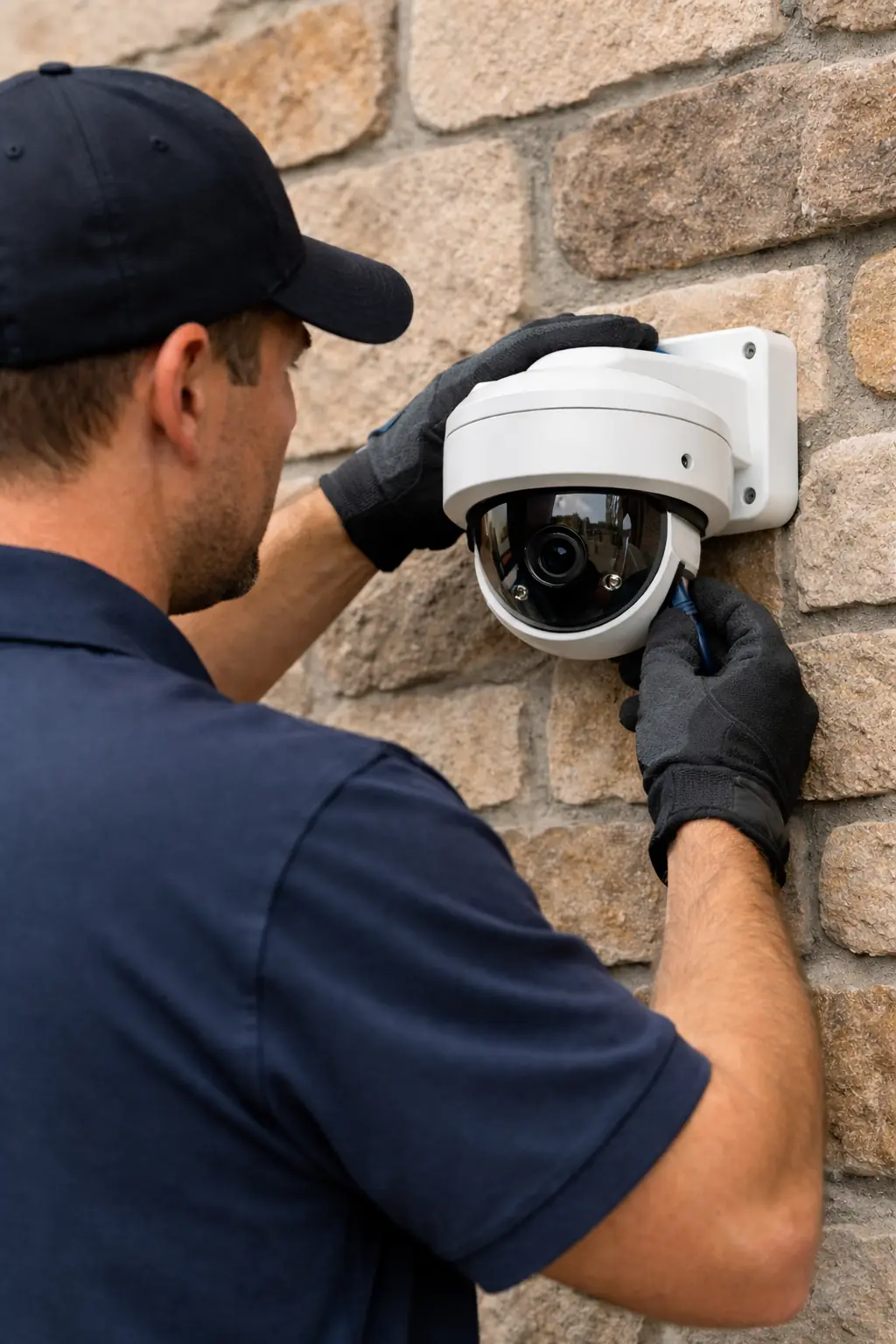
New construction, townhouses, and detached-home coverage
This page is built around residential Markham installs where new construction, newer subdivisions, and clean townhouse or detached-home layouts create good opportunities for structured camera planning. The coverage still has to be intentional around front entry, driveway, side access, garage, and rear yard.
For many Markham homes, the system also connects naturally to broader infrastructure work such as switching, Wi-Fi stability, and home networking. That is why camera planning often overlaps with network installation in Markham.
Camera systems and smarter home infrastructure
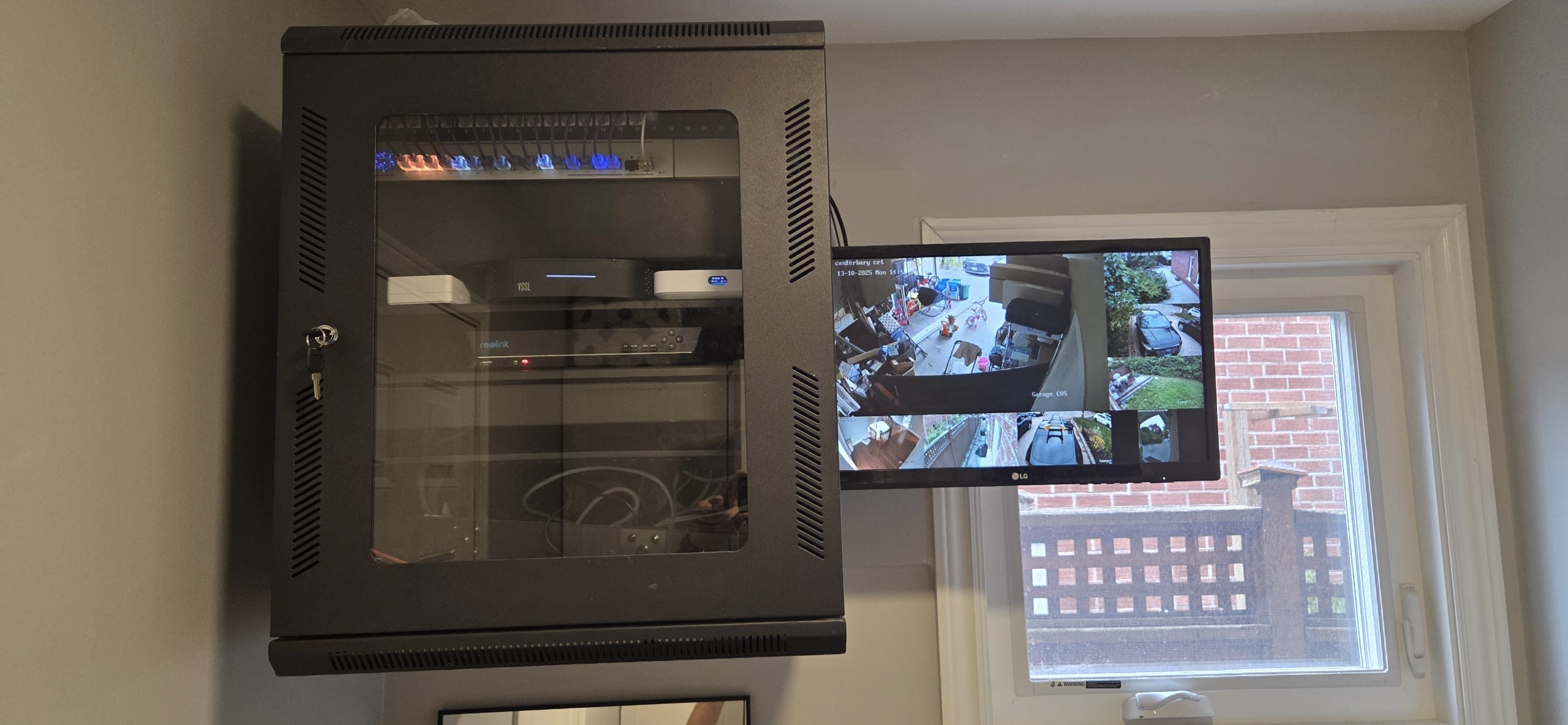
In Markham, camera systems often work best when they are planned as part of the broader home network. The direct answer is simple: if the home is wired properly, cameras record more reliably, remote viewing performs better, and future upgrades are easier to add without starting over.
Structured camera infrastructure
PoE cameras, NVR storage, and network switching perform best when they are planned together instead of added separately over time.
Smart-home-ready design
Tech-aware homeowners often want a system that fits cleanly with remote access, AV upgrades, and future smart-home integration instead of staying isolated.
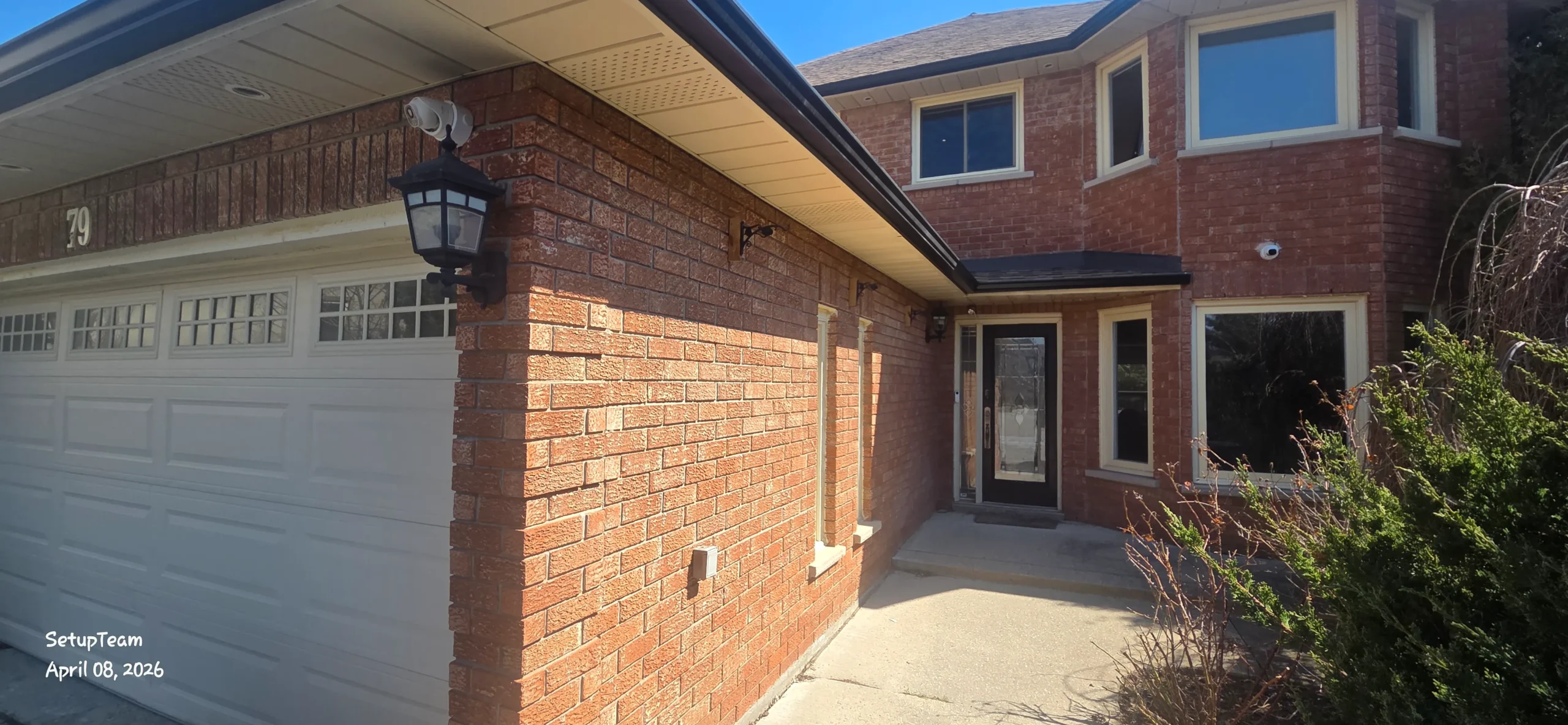
Markham properties create different camera-planning conditions
Markham has a strong mix of newer detached homes, townhouses, and smart-home-ready residential areas where structured cabling opportunities are more realistic than in older housing stock. In neighbourhoods such as Cornell, Berczy Village, and Unionville-adjacent areas, camera planning is often part of a larger home-tech conversation instead of a one-off add-on.
The local challenge is not just coverage. It is choosing a system that records reliably now, looks clean in a finished home, and stays easy to upgrade later as the homeowner adds more networked technology.
Planning a security camera project in Markham?
Start with the property type, rough camera count, and whether this is a new system or an upgrade to an existing setup. For Markham homes, it also helps to mention whether you want the system to fit into a broader networking or smart-home plan.
Markham security camera installation questions
These are the practical questions that usually come up before a quote is approved for a Markham home or business.