


Security Camera Installation Built for Newmarket Detached Homes and Growing Properties
Professional camera installation for finished homes, attached garages, and practical business spaces. We plan clean cabling before the first mount goes up, configure reliable recording, and hand the system over ready for everyday use.
- Bonded and insured
- WSIB coverage
- $2,000,000 liability
- 10,000 plus projects completed
- Sonos Gold Dealer
What a complete camera installation includes
A complete installation starts with coverage planning, low-voltage wiring strategy, recorder placement, and remote access setup. SetupTeam treats the work as infrastructure first, especially in finished homes where cable paths and equipment location matter as much as the camera count. If you are comparing broader options, this sits within our security camera installation in Toronto work.
New Installation
Full system design for detached homes, townhouses, garages, and practical commercial spaces with Cat6, PoE, recorder setup, and remote access configured as one coordinated scope.
Upgrade & Expansion
Add cameras, replace an outdated recorder, improve legacy cabling, or expand the most useful coverage zones without making the finished property feel retrofitted.
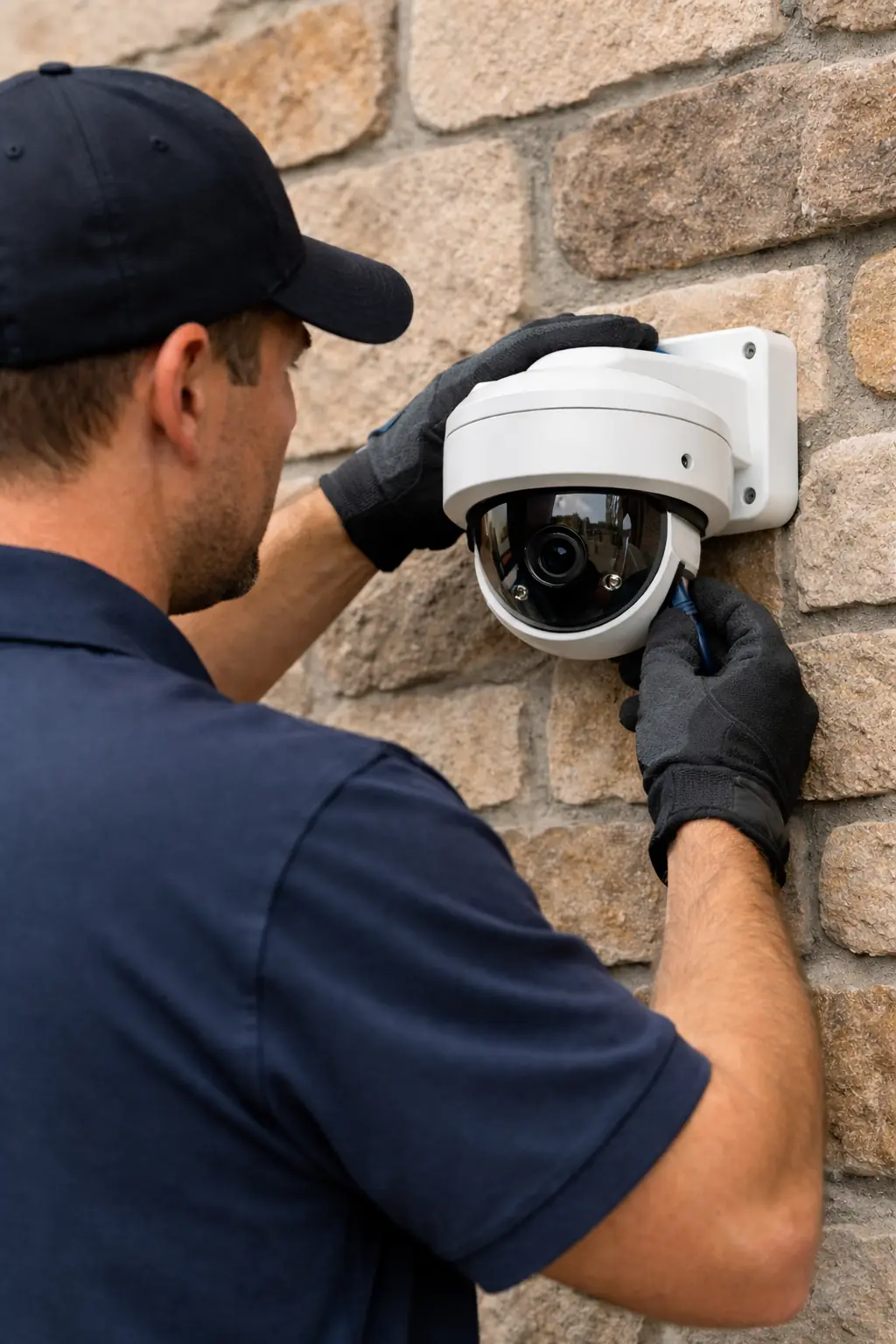
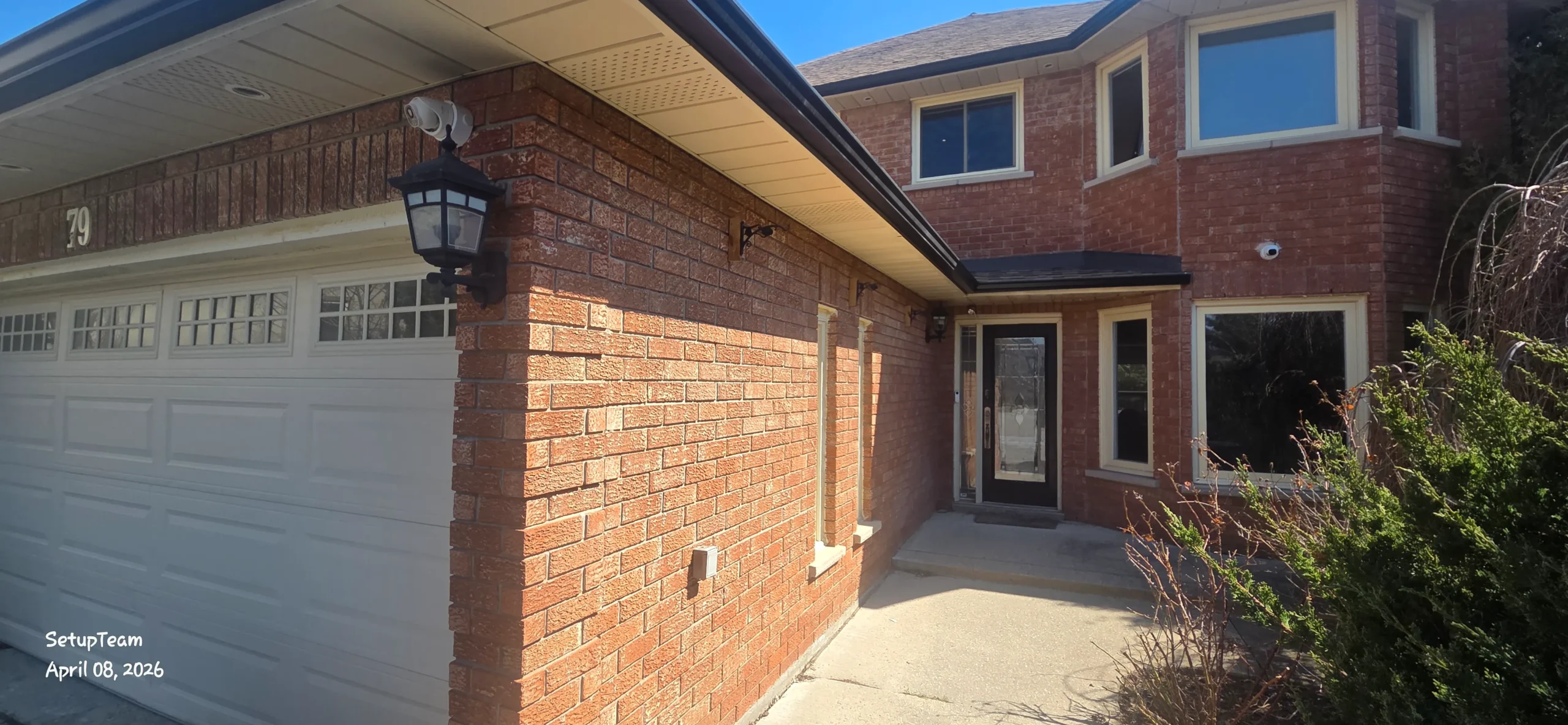
Coverage planning for homes, driveways, and attached garages
Most local projects involve detached suburban homes with multiple entries, longer driveways, attached garages, and finished interiors. That changes how we handle route planning, sightlines, recorder location, and the balance between front approach, garage access, side gate coverage, and rear yard views.
Front, Side, and Rear Entry Logic
Good residential coverage usually starts with the approach to the front door, driveway movement, side access, backyard entry, and any secondary door that gets used daily.
Finished-Home Cabling
In established subdivisions, clean routing through soffits, garages, utility areas, and finished spaces matters just as much as choosing the right camera model.
What the installation process involves
The process stays simple, but detached homes, attached garages, and finished interiors still need planning before installation day. The goal is reliable coverage, clean workmanship, and a straightforward handoff once the system is configured.
Plan
We confirm the key coverage zones, property constraints, and the most sensible recorder location before work starts.
Wire
Cat6 and PoE routes are planned for finish quality, dependable performance, and future serviceability.
Install
Cameras are mounted and aligned around the driveway, entries, garage, and other real access patterns that matter day to day.
Configure
Recording, remote viewing, playback, alerts, and client handoff are completed before the project is considered finished.
Licensed, insured, and built around finished-property work
Clients here typically want dependable surveillance without the finished home looking like an afterthought. That matters in established houses, newer subdivisions, and practical commercial spaces where rushed cabling or poor recorder placement becomes visible immediately.
Bonded & Insured
Coverage in place for residential and commercial work across the GTA.
WSIB Coverage
Professional on-site protection and compliance for installation work.
$2,000,000 Liability
Backed by formal liability coverage for project peace of mind and site confidence.
10,000+ Projects
Experience across finished homes, structured wiring, commercial installs, and system upgrades.
Wired PoE vs. Wi-Fi Cameras
Most detached-home projects are better served by wired infrastructure, but some finished-space or light-access situations can still make selective wireless deployment reasonable.
Wired PoE Cameras
Recommended for detached homes, townhouses, and small business spaces where stable recording, clean expansion, and stronger long-term reliability matter.
Wi-Fi Cameras
Best reserved for selective low-access situations where cable routing is limited or where a supplementary view is needed without opening more finished surfaces.
Subdivision layouts change how the system should be planned
There is a real difference between an established detached home near Main Street, a family property in Stonehaven or Summerhill Estates, and a house with an attached garage near Bayview Avenue. Driveway length, side access, rear-yard visibility, and finished-basement equipment options all affect the installation logic.
That is why local comparison matters. A property here may share some planning logic with security camera installation in Toronto, but suburban buyers usually care more about driveway coverage, garage approach, and making the finished result look built-in.
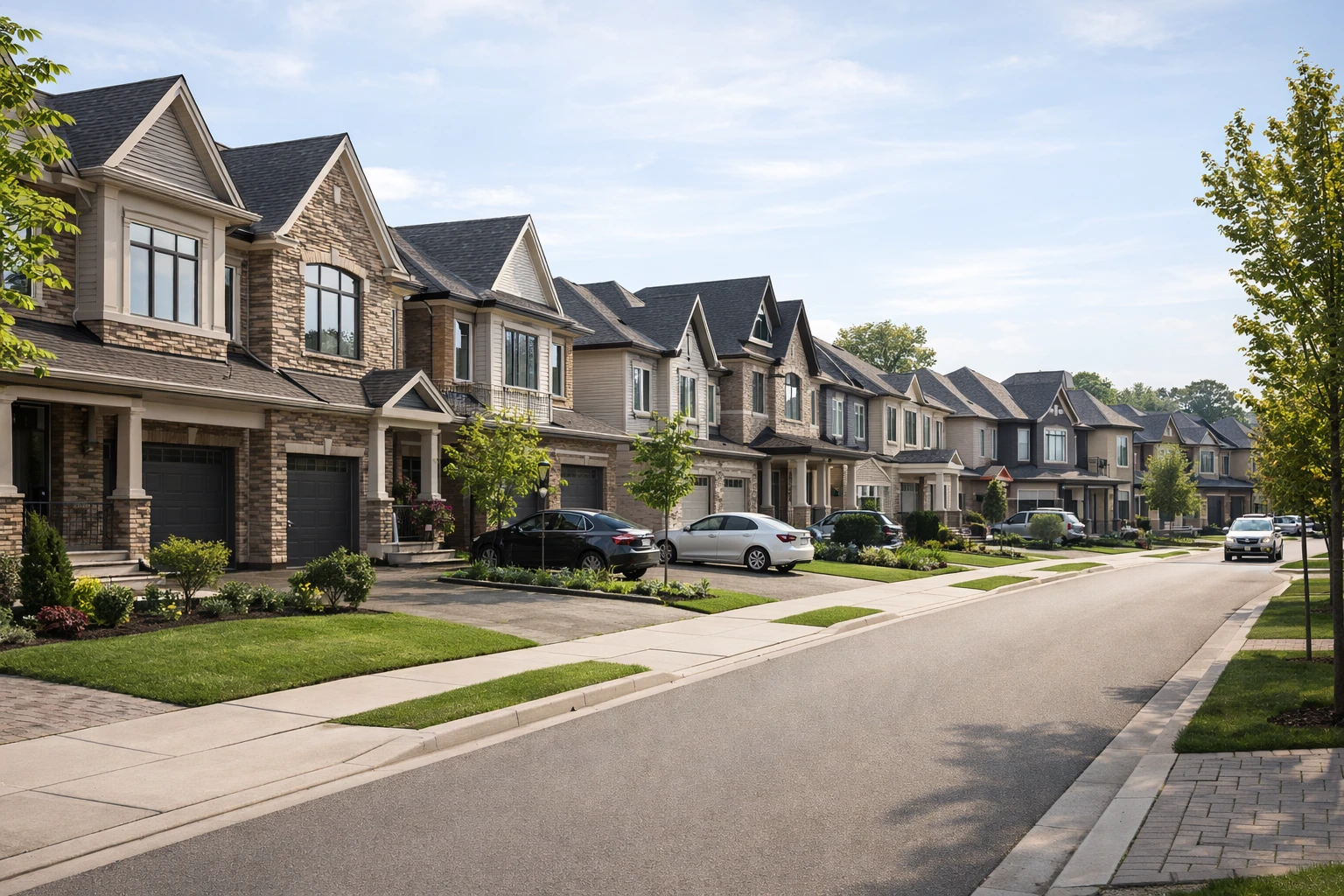
Camera systems for shops, offices, and local corridors
For businesses along Davis Drive, Yonge Street, and other local commercial stretches, the right system usually means wired PoE cameras, sensible recorder placement, and coverage planned around entrances, counters, service areas, and after-hours playback instead of one generic layout.
Retail and Front-of-House Coverage
Commercial planning often starts with customer entry views, service counters, public-facing frontage, and circulation through the areas staff actually need to review.
Back-of-House and Receiving Areas
Recorder location, switch placement, and cable routes matter more once the layout includes rear access, staff-only zones, storage rooms, or light industrial service space.
Practical Small-Business Upgrades
Many projects are not full rebuilds. They are scope corrections: better entry coverage, cleaner recording setup, and more useful playback for the way the business actually operates.
Frequently asked questions
These are the practical questions that usually come up before the system scope and installation plan are approved.
Planning a security camera project in Newmarket?
Start with the property type, rough camera count, and the main areas you want covered. That gives us enough to advise on PoE wiring, recorder location, and whether the job is a fresh installation or an upgrade to an older system. SetupTeam also offers practical 7-day scheduling for this service area.